




In this story
Gratitude: A simple habit for better health
Published October 22, 2026
-
 Copy link
-
 Share on Facebook
-
 Share on Bluesky
-
 Share on X
-
 Share on LinkedIn
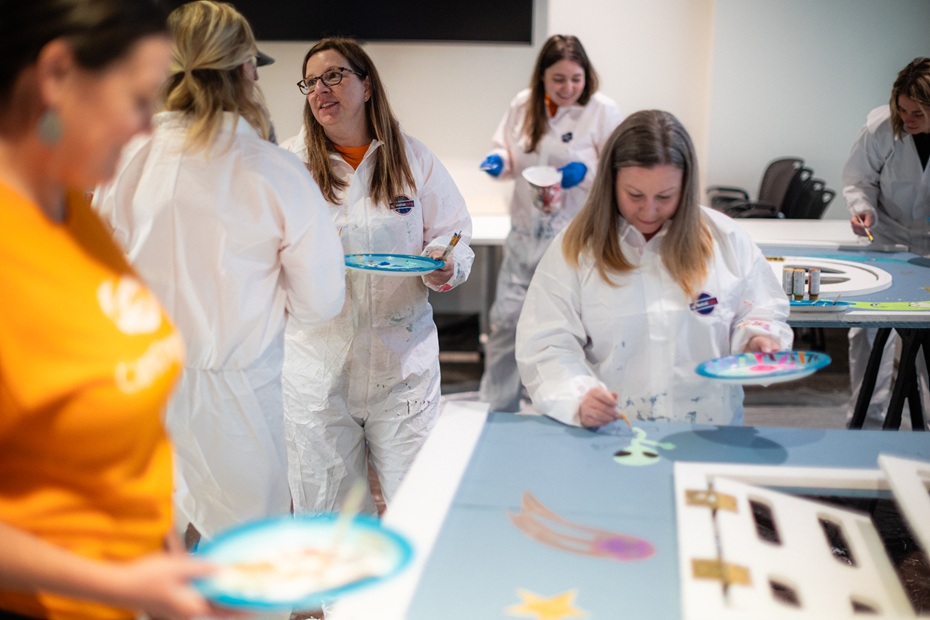
CareOregon’s Kayleen Van Duzer (painting) volunteers with colleagues at Habitat for Humanity to build a playhouse for a local daycare center. Volunteering can be a great way to gain perspective and appreciation for what you have. Photo: Jason Quigley
The holiday season is a time when many of us give thanks, appreciate what we have and help others in our communities. But gratitude isn't just for the holidays. Research suggests that regularly noticing and appreciating the good things in life can support both mental and physical health year-round.
CareOregon knows that good health is about more than doctor visits and prescriptions. Emotional health is an important part of your overall health. Even small moments of gratitude can help you cope with challenges, build stronger relationships and feel more positive.
Practicing gratitude doesn't have to be time-consuming or formal. Even simple habits can make a difference.
Health benefits of gratitude
Building more gratitude into your life doesn’t mean ignoring challenges or pretending everything is perfect. But it can help you focus on the people, experiences and support that matter most, even during difficult times.
Studies have linked gratitude to improved mood, greater optimism, reduced stress and improved sleep. One review of several studies found that people who kept a gratitude journal had lower blood pressure. This suggests gratitude may also support heart health.
Simple ways to practice gratitude
If being grateful just sounds like one more thing to add to your to-do list, know that it doesn't have to be time-consuming or formal. Even small moments of appreciation can help you experience the benefits of gratitude.
“Strengthening your gratitude muscles doesn't have to be that formal. It’s simply about developing a recognition of good things in your life and getting into the habit of intentionally acknowledging when they arise,” said Bonnie Keady, Director of Behavioral Health for the CareOregon Metro region.
Here are a few simple ways to make gratitude part of your daily routine:
- Keep a gratitude journal. Write down three things you are grateful for first thing in the morning or before you go to sleep. Your list can include simple comforts, like a great cup of coffee or snack.
- Write a thank-you note to someone. Let someone know you're grateful for them. A quick text message, phone call or handwritten note can brighten both your day and theirs.
- Try a gratitude meditation. Meditate for five minutes on someone or something for which you are grateful. You can also try a guided gratitude meditation using an app or online video. (Learn more about meditation and ways to practice it.)
Give back and gain perspective
Volunteering can also be a powerful way to practice gratitude. By giving your time and talents to help others, you can support your community, build new relationships, learn new skills, stay active and gain a fresh perspective on what's important in your life.
“When you step outside your day-to-day routine, it really grounds you in the present,” said Kayleen Van Duzer, Senior Community Impact and Events Specialist at CareOregon.
In her role, Van Duzer helps coordinate CareOregon’s employee volunteer program, which has exceeded its goal of 5,000 hours per year for the past three years. In her free time, she volunteers in her community, with a focus on youth and education.
“If you know what motivates you and brings passion to your life, you can find an organization to dedicate your time to. Volunteering can bring immense gratitude and make a positive impact in your community,” she said.
If you live in the Portland metro area and want to explore local volunteer opportunities, Hands On Greater Portland is a good place to start. You can search the organization’s website for opportunities by date, location, type of service and other criteria. You may also want to reach out to the Oregon Food Bank or Habitat for Humanity to find opportunities near you.
When you need support
Practicing gratitude and volunteering can be meaningful ways to support emotional well-being, but everyone needs extra support sometimes. If you're a CareOregon member who's struggling with anxiety, stress or other mental health challenges, you are not alone. Your benefits include mental health care, substance use disorder treatment and recovery support. Learn more about your benefits and how to connect to help.