




How to get screened for breast cancer?
Early detection saves lives. Breast cancer is one of the most common cancers. The good news is that when it’s found early, it’s highly treatable.
A mammogram is the best way to get screened and catch breast cancer early, often before you feel any symptoms.
As a CareOregon member, you have access to mammograms at no cost.
Talk to your provider about getting screened
To schedule an appointment, call your primary care provider (PCP). Check your Member ID for contact info.
About breast cancer
Breast cancer is a disease characterized by uncontrolled cell growth in the breast. These cancer cells can form a lump, called a tumor, and may spread to other parts of the body if not treated. Breast cancer can affect anyone, though it is much more common in women and people assigned female at birth.
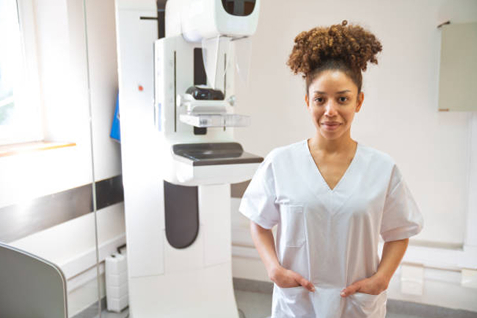
A mammogram, a low-dose X-ray that checks for early signs of breast cancer, is the best way to get screened for breast cancer.
Why get screened
1 in 8 women and people assigned female at birth will be diagnosed with breast cancer in their lifetime, according to National Breast Cancer Foundation. When found early, breast cancer has a 99% 5-year survival rate. A mammogram is the best way to get screened and can find changes years before you or your provider can feel them.
Ways to get screened
- Standard mammogram at a clinic/hospital: Book through your primary care provider (PCP) or a clinic that offers breast imaging. Don’t have a provider? Use CareOregon’s Find a Provider tool.
- Breast awareness: Know what’s normal for you. Report any changes (lumps, nipple discharge, skin changes) to your provider right away.
- Talk with your PCP: If you have difficulty getting a mammogram due to scheduling, transportation or other barriers, your PCP or care coordinator may help with resources.
What to expect
During a mammogram, your breast is placed on a flat surface and gently pressed down with a clear plate to spread out the tissue. This allows the machine to take detailed images.
To prepare for a mammogram, avoid deodorant, lotion, or powder under your arms or on your breasts the day of the exam, as these can affect the images. Wear a two-piece outfit so it’s easy to change.
You’ll change into a gown and remove jewelry. A technician will position your breast on the X-ray machine. The plate will press down for a few seconds to get a clear picture. The process is repeated for each breast, usually from a few angles. You’ll be done in about 20 minutes and can return to normal activities right away.
Some people feel pressure or brief discomfort, but it should not be painful. If you’re worried, let the technician know. They can adjust positioning to make you more comfortable.
Frequently asked questions
Breast cancer
Breast cancer is a disease characterized by uncontrolled cell growth in the breast. These cancer cells can form a lump, called a tumor, and may spread to other parts of the body if not treated. Breast cancer can affect anyone, though it is much more common in women and people assigned female at birth.
A mammogram, a low-dose X-ray that checks for early signs of breast cancer, is the best way to get screened for breast cancer.
Some things can increase your risk for developing breast cancer, such as:
- A family history of breast cancer (genetics)
- Obesity (very overweight)
- Excessive consumption of alcohol
- Using tobacco (smoking)
- Aging/Older adulthood
- Not exercising
- Having dense breast tissue
However, breast cancer can still develop in women and people assigned female gender at birth who don’t have any of these factors. And just because you have them doesn’t mean you will definitely get breast cancer.
The top things you can do to prevent breast cancer are to live a healthy life and get regular breast cancer screenings.
Not all breast lumps are caused by cancer, but some are. If you have any of these symptoms, or just think you might, schedule an appointment with your provider right away.
- A new, painless lump in your breast
- Painful or swollen lymph nodes (under your armpits)
- Breast pain or swelling
- Pain in any area of your breast
- A change in the size or shape of your breast
- Nipple discharge (other than breast milk if you’re nursing), including blood
- Redness or flaky skin in the nipple area or the breast
- Pulling in of the nipple or pain in the nipple area
Some women and people assigned female gender at birth have what’s called dense breast tissue. It means you have less fatty tissue in your breasts. There’s nothing wrong with it, but dense tissue can increase your risk for breast cancer. Your provider can tell you if you have dense breast tissue and take it into consideration for your breast cancer screening schedule.
Screenings
Most women and people assigned female at birth should begin mammograms at age 40, or earlier if they have a family history of breast cancer. Talk with your provider about what’s right for you.
Typically every 1–2 years, depending on your age and health history. Your provider will guide you. Don’t have a provider? Use CareOregon’s Find a Provider tool.
Yes. They use very low-dose X-rays, and the benefits of early detection far outweigh the risks.
Don’t panic. Most abnormal results turn out not to be cancer. Your provider may recommend follow-up testing for clarity.
How CareOregon can support you
Many people face challenges that make it difficult to get screened. If you are having trouble scheduling an appointment, arranging transportation or difficulty accessing information in language, CareOregon can support you.
Coverage
No-cost screenings – Mammograms are covered at no cost for CareOregon members.
Transportation
CareOregon can help arrange transportation if needed. Call Ride to Care at 503-416-3955, toll-free 855-321-4899 or TTY 711. Learn more about what Ride to Care offers.
Language services
Plain-language, culturally responsive materials in multiple languages help members understand why screenings are important. Learn more about our language services. If you need any help with language services or have any complaints, we want to hear about it. Send us a secure message through the member portal or call Customer Service.
How to schedule an appointment
CareOregon is here to remove barriers and make sure you have the support you need to stay on top of screenings.
If you need a screening or a test, contact your primary care provider (PCP). Don’t have a provider? Use CareOregon’s Find a Provider tool.